


What Are Ethical Beauty Products—and Why They Matter
Choosing beauty products that are genuinely ethical can feel overwhelming for any American woman striving to match her skincare routine with her values. With over 80% of eco-conscious shoppers researching product origins before buying, the desire for cruelty-free and transparently sourced cosmetics goes far beyond the label. This guide breaks down the essentials, helping you spot real ethical standards and confidently support brands that align with your passion for a cleaner, more just world.
Table of Contents
- Defining Ethical Beauty Products And Standards
- Types Of Ethical Beauty Products Available
- Certifications And Labeling: What To Look For
- Key Ingredients And Ethical Sourcing Practices
- Navigating Global Regulations And Greenwashing
- How To Choose The Right Ethical Products
Key Takeaways
| Point | Details |
|---|---|
| Ethical beauty prioritizes transparency and sustainability | Consumers are increasingly looking for beauty products that demonstrate genuine commitments to ethical practices throughout their entire lifecycle. |
| Certification and labeling matter | Recognizing key certifications, such as Leaping Bunny and USDA Organic, helps consumers identify truly ethical products. |
| Understanding ingredient sourcing is crucial | Ethically sourced ingredients should be plant-based, fair trade certified, and minimally impact the environment. |
| Research is vital for authenticity | Consumers must actively verify brand claims and practices to avoid greenwashing and choose products that align with their values. |
Defining Ethical Beauty Products and Standards
Ethical beauty products represent a sophisticated approach to cosmetics that transcends traditional manufacturing practices. At their core, these products embody a comprehensive commitment to transparency, sustainability, and responsible production. Regulatory frameworks in the EU have been instrumental in establishing rigorous standards that protect consumers while promoting innovative and socially conscious product development.
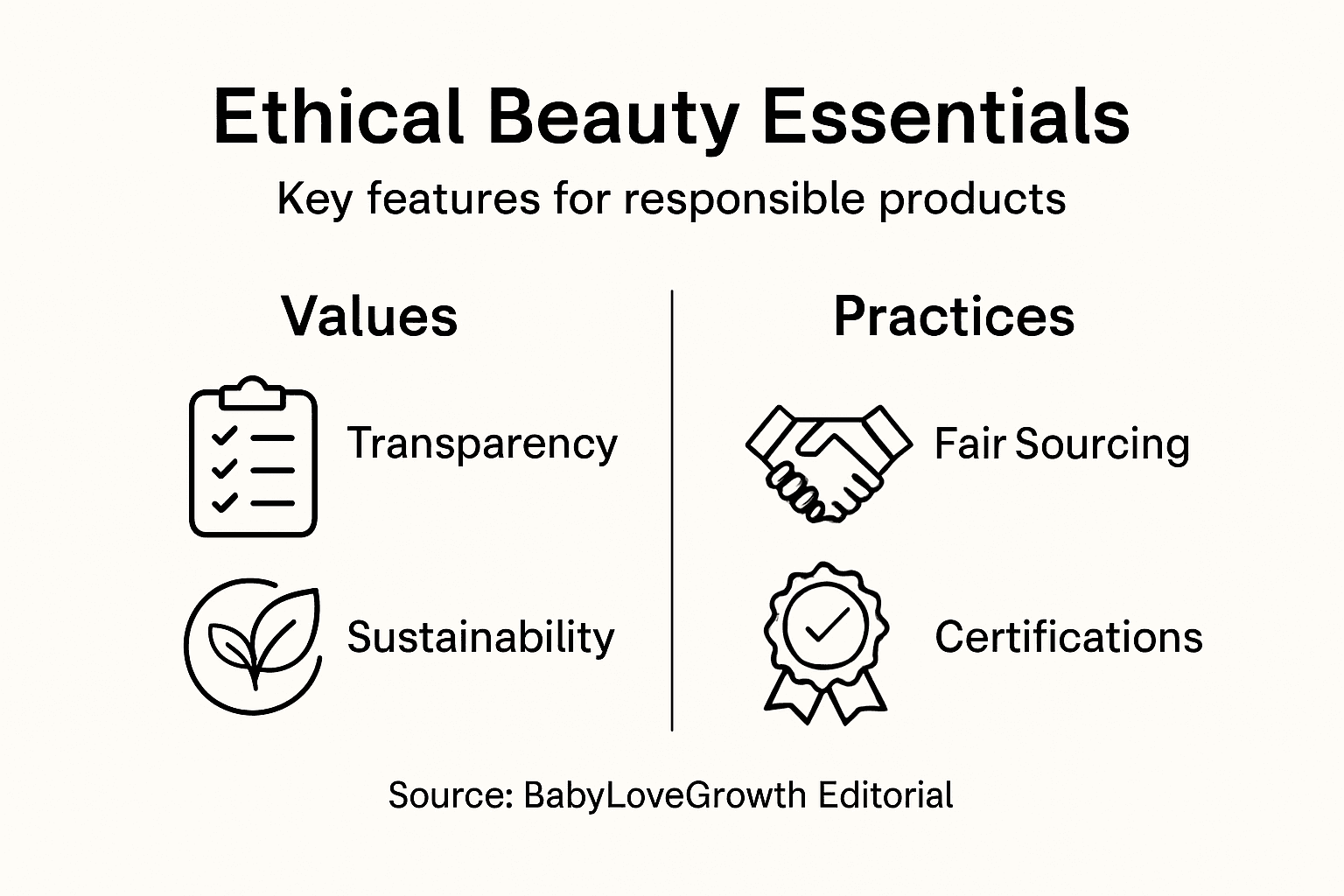
The definition of ethical beauty encompasses multiple critical dimensions. These include environmental sustainability, transparent ingredient sourcing, cruelty-free manufacturing processes, fair labor practices, and a holistic commitment to social responsibility. Ethical standards go beyond mere product performance, examining the entire lifecycle of cosmetic production from raw material extraction to final packaging and distribution. This approach recognizes that true ethical beauty involves consideration of ecological impact, human welfare, and consumer well-being.
Consumer awareness and systematic attributes have become increasingly important in defining these standards. Modern ethical beauty products must demonstrate measurable commitments to:
- Transparent ingredient disclosure
- Environmentally responsible production methods
- Minimal carbon footprint
- Fair compensation for workers in the supply chain
- Cruelty-free testing protocols
- Sustainable packaging solutions
Moreover, ethical beauty is not just about what a product does not contain, but actively represents a positive choice for personal and planetary health. Consumers are increasingly demanding products that align with their values of social justice, environmental stewardship, and holistic wellness.
Pro tip: When evaluating ethical beauty products, look beyond marketing claims and research the brand’s actual sustainability certifications and documented practices.
Types of Ethical Beauty Products Available
The world of ethical beauty products is diverse and dynamic, offering consumers multiple pathways to align their personal care choices with their values. Ethical beauty encompasses several distinct categories that address different environmental and social responsibility concerns. These product types range from cruelty-free formulations to organic and sustainable options, each representing a unique approach to conscientious cosmetic consumption.
Within the ethical beauty landscape, consumers can explore various specialized product types:
- Cruelty-Free Products: Cosmetics developed without animal testing, ensuring no animals are harmed during production
- Vegan Beauty Items: Formulations containing zero animal-derived ingredients
- Organic Cosmetics: Products made with ingredients grown without synthetic pesticides or fertilizers
- Natural Skincare: Formulations using minimally processed, plant-based ingredients
- Sustainable Packaging Lines: Beauty products packaged in recyclable or biodegradable materials
Beyond these classifications, ethical beauty products also differentiate themselves through manufacturing practices. Some brands prioritize fair trade ingredient sourcing, ensuring workers receive fair compensation and work in safe conditions. Others focus on minimizing environmental impact by reducing carbon emissions, avoiding palm oil, and implementing eco-friendly production techniques.
The modern ethical beauty market recognizes that consumers want more than just effective products. They seek transparent brands that demonstrate genuine commitment to environmental stewardship, animal welfare, and social responsibility. This means going beyond surface-level marketing claims and providing verifiable evidence of ethical practices throughout the entire product lifecycle.
Compare major types of ethical beauty products by their unique attributes:
| Product Type | Key Attribute | Best For Consumers Who Value | Environmental Benefit |
|---|---|---|---|
| Cruelty-Free | No animal testing | Animal welfare | Protects biodiversity |
| Vegan | No animal ingredients | Plant-based lifestyles | Reduces resource usage |
| Organic | No synthetic chemicals | Chemical-sensitive individuals | Lowers pollution risk |
| Sustainable Packaging | Compostable or recyclable | Zero-waste commitment | Reduces landfill waste |
Pro tip: Always research brand certifications and look for third-party verifications that validate ethical claims before purchasing beauty products.
Certifications and Labeling: What to Look For
Global ingredient regulations and certification standards provide critical guidance for consumers navigating the complex world of ethical beauty products. These independent verification systems offer transparent insights into a brand’s commitment to ethical practices, helping shoppers make informed purchasing decisions based on rigorous, third-party assessments.
Key certifications that conscientious consumers should recognize include:
- Leaping Bunny: Confirms absolute cruelty-free product development
- PETA Certified: Validates animal-friendly manufacturing processes
- USDA Organic: Guarantees ingredient sourcing meets strict organic standards
- Fair Trade Certified: Ensures ethical labor practices and worker compensation
- B Corp Certification: Demonstrates comprehensive social and environmental responsibility
- Vegan Society Trademark: Confirms zero animal-derived ingredients
Understanding these certifications requires more than superficial recognition. Each label represents a comprehensive evaluation process that examines multiple aspects of product development, from ingredient sourcing to manufacturing practices. Brands must undergo extensive audits and meet stringent criteria to earn these prestigious certifications, which serve as powerful indicators of genuine ethical commitment.
Moreover, certification labels create industry accountability by establishing clear standards for ethical beauty production. They provide consumers with a reliable framework for identifying products that align with their personal values of environmental sustainability, animal welfare, and social responsibility. These labels are not merely marketing tools but powerful mechanisms for driving positive change in the beauty industry.
Here’s how core ethical beauty certifications differ in their focus and impact:
| Certification Name | Primary Focus | Impact on Ethical Beauty | Example Benefit |
|---|---|---|---|
| Leaping Bunny | Cruelty-free testing | Prevents animal suffering | Ensures no animal testing |
| USDA Organic | Organic ingredient sourcing | Reduces exposure to pesticides | Promotes safer formulas |
| Fair Trade Certified | Worker welfare | Supports fair labor & wages | Improves supply chain ethics |
| B Corp Certification | Social & environmental responsibility | Verifies holistic ethical practices | Drives sustainable innovation |
Pro tip: Keep a smartphone photo album of trusted certification logos to quickly cross-reference while shopping for ethical beauty products.
Key Ingredients and Ethical Sourcing Practices
Ethical ingredient sourcing represents a comprehensive approach to beauty product development that prioritizes environmental and social responsibility. This holistic methodology goes beyond simple ingredient selection, encompassing a nuanced understanding of global supply chains, environmental impact, and human welfare.
Key characteristics of ethically sourced beauty ingredients include:
- Plant-Based Origins: Prioritizing naturally derived, renewable ingredients
- Organic Certification: Ensuring ingredients are grown without synthetic pesticides
- Fair Trade Compliance: Guaranteeing fair wages and safe working conditions for workers
- Minimal Environmental Impact: Selecting ingredients with low carbon footprints
- Biodiversity Protection: Avoiding ingredients that threaten ecological systems
- Traceability: Maintaining transparent supply chain documentation
Sustainable beauty ingredients require careful consideration of multiple factors. Brands must evaluate not just the ingredient itself, but its entire lifecycle - from cultivation and harvesting to processing and transportation. This means avoiding harmful chemicals like parabens and phthalates, and steering clear of ingredients that contribute to environmental degradation, such as unsustainably sourced palm oil.
The most responsible beauty brands are now adopting regenerative agriculture practices, working directly with local communities to ensure sustainable ingredient production. These approaches create a positive cycle of environmental protection and social empowerment, transforming ingredient sourcing from a transactional process into a meaningful collaboration that supports global ecological and economic health.
Pro tip: Download ingredient tracking apps that provide detailed sourcing information to quickly verify the ethical credentials of your beauty products.
Navigating Global Regulations and Greenwashing
Global cosmetic regulations are evolving rapidly to address the complex landscape of ethical beauty product claims. These regulatory frameworks aim to protect consumers by establishing rigorous standards for product safety, ingredient transparency, and marketing integrity, creating a robust system that challenges misleading environmental and ethical claims.
Key elements consumers should understand about global beauty regulations include:
- Product Registration: Mandatory documentation of ingredient compositions
- Safety Assessments: Comprehensive testing requirements for new formulations
- Ingredient Disclosure: Detailed labeling of all product components
- Adverse Event Reporting: Systematic tracking of potential health risks
- Marketing Claim Verification: Stricter standards for sustainability statements
Greenwashing prevention strategies have become increasingly sophisticated. Regulatory bodies now require brands to provide verifiable evidence supporting their environmental and ethical claims. This means moving beyond vague marketing language to demonstrate concrete practices that substantiate sustainability commitments. Third-party certifications, transparent supply chain documentation, and rigorous ingredient traceability have become critical tools in combating misleading marketing tactics.
The global regulatory landscape is transforming how beauty brands communicate their ethical standards. Consumers are no longer satisfied with superficial claims about sustainability or social responsibility. Instead, they demand comprehensive proof of a brand’s genuine commitment to environmental stewardship, fair labor practices, and transparent production methods. This shift is driving a more accountable and transparent beauty industry, where marketing claims must be backed by measurable, verifiable actions.
Pro tip: Always request detailed documentation from brands about their sustainability claims, and be skeptical of marketing language that lacks specific, measurable evidence.
How to Choose the Right Ethical Products
Ethical beauty product selection requires a strategic approach that goes beyond surface-level marketing claims. Consumers must develop a discerning eye for authentic sustainability practices, understanding that true ethical consumption involves comprehensive evaluation of a product’s entire lifecycle and impact.
Key criteria for selecting ethical beauty products include:
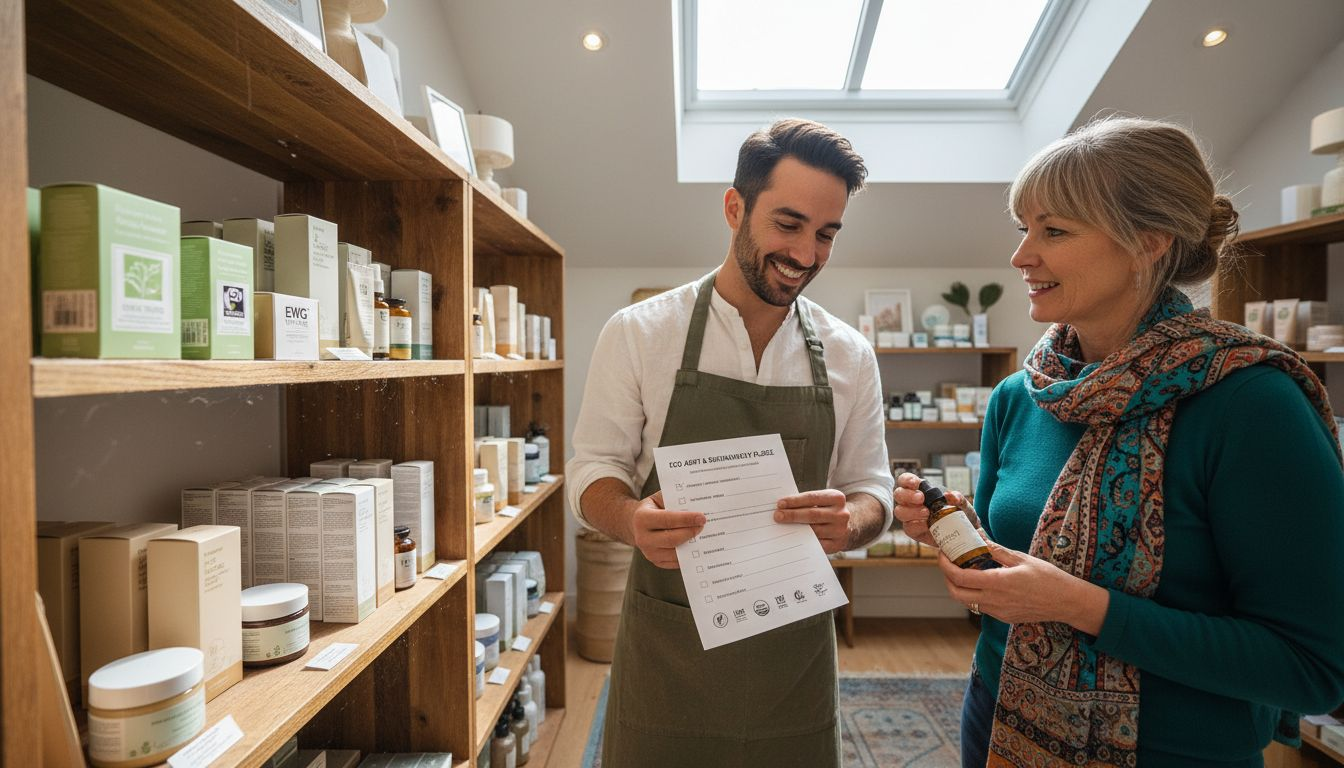
- Certification Verification: Look for legitimate third-party ethical certifications
- Ingredient Transparency: Examine detailed ingredient lists and origins
- Supply Chain Assessment: Research brand manufacturing and sourcing practices
- Environmental Impact: Consider packaging, carbon footprint, and waste generation
- Cruelty-Free Confirmation: Validate animal testing policies
- Labor Practices: Investigate fair compensation and worker treatment
The evaluation process demands more than casual observation. Consumers should develop a comprehensive approach that involves researching brand histories, understanding complex supply chain dynamics, and critically analyzing marketing communications. This means going beyond attractive packaging and compelling narratives to uncover the genuine ethical commitments underlying product development.
Successful ethical product selection requires active engagement and continuous learning. Each purchasing decision represents an opportunity to support responsible business practices, drive industry transformation, and align personal values with consumption patterns. By making informed choices, consumers become powerful agents of change in the beauty industry’s ongoing sustainability journey.
Pro tip: Create a personal checklist of ethical criteria and research brands thoroughly before making purchasing decisions.
Discover Ethical Beauty Solutions That Truly Align With Your Values
Choosing ethical beauty products can feel overwhelming when faced with confusing labels and unclear brand commitments. This article highlights the importance of transparent ingredient sourcing, cruelty-free policies, and sustainable packaging—key factors that many consumers struggle to verify on their own. If you want to avoid greenwashing and support brands that genuinely prioritize social responsibility and environmental stewardship, Kompis Cosmetics offers a trusted solution.
At Kompis Cosmetics, you will find:
- High-quality cruelty-free makeup and skincare made with natural, ethically sourced ingredients
- Transparent product information to help you make informed choices
- A diverse range of options that cater to different skin types and personal values

Experience the confidence that comes from selecting products that honor both your skin and the planet. Start exploring Kompis Cosmetics now at Kompis Cosmetics and embrace beauty without compromise. Visit us today to find your perfect cruelty-free foundation or nourishing moisturizer designed for ultimate ethical care.
Frequently Asked Questions
What are ethical beauty products?
Ethical beauty products are cosmetics that prioritize transparency, sustainability, and responsible production practices throughout their lifecycle, including ingredient sourcing, manufacturing, and packaging.
Why is transparency important in ethical beauty products?
Transparency allows consumers to know the origins and impacts of the ingredients in their beauty products, fostering trust between brands and customers, and encouraging accountability in ethical practices.
How do I identify ethical beauty products?
Look for third-party certifications such as Leaping Bunny, USDA Organic, and Fair Trade Certified, which validate a brand’s commitment to ethical practices in areas like cruelty-free testing and ingredient sourcing.
What should I consider when choosing ethical beauty products?
Consider factors such as certification verification, ingredient transparency, supply chain practices, environmental impact, and cruelty-free policies to ensure that the products you choose align with your values.

